Afin d'être accessible au plus grand nombre, nous vous informons que vous avez la possibilité de modifier la taille d’affichage du contenu de notre site.
Pour cela, voici les commandes à reproduire à l'aide de votre clavier :
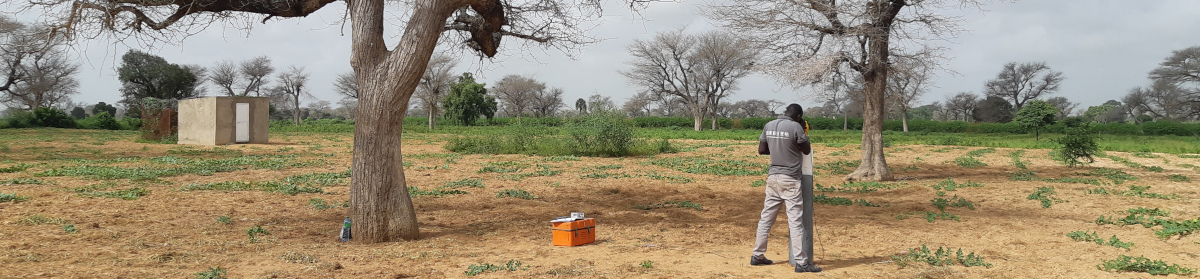
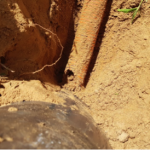
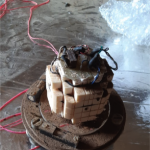
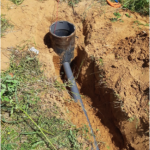
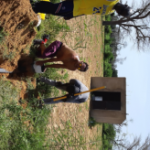
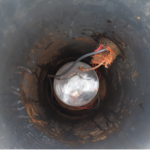
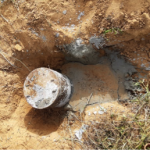
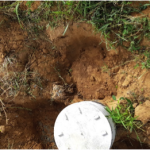
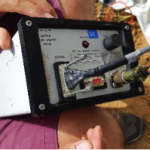
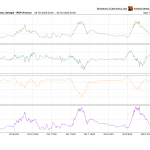
The heavy rains that took place last August caused mudflows that damaged the installations, especially the vector magnetometer. In addition, rodents have damaged the technical sheaths and cut the cables of the magnetometer and the temperature sensor. Our engineers intervened on the site of Sop, in Senegal, last October to repair and restart the magnetic observatory. The data are again transmitted since October 2022 the 6th.
Planetary Research: a new open-access journal for planetary sciences
Led by an international community of researchers, with strong involvement from IPGP scientists, the new journal Planetary Research offers an alternati...
What if the next stars of recycling were… bacteria?
A new comic book from IPGP takes us behind the scenes of metal bio-recovery. Featuring bacteria, precious metals and a generous dose of humour, it rev...
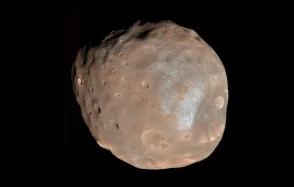
Mapping regolith migration on Phobos to support the MMX sample-return mission
Researchers from the Institut de Physique du Globe de Paris (IPGP), in collaboration with the Centro de Astrobiología (Spain) have published a new stu...
Lorraine Delaroque and Ines Ouar, two IPGP PhD students, receive awards at international conferences
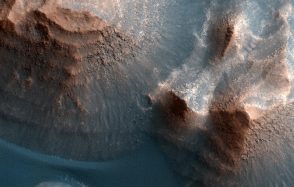
Two doctoral students from the Planetology and Space Sciences team were recently recognized for their research at two international conferences.