




The “Diagnose Alzheimer’s disease with isotopes” project granted with an ERC proof-of-concept !
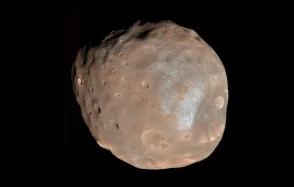
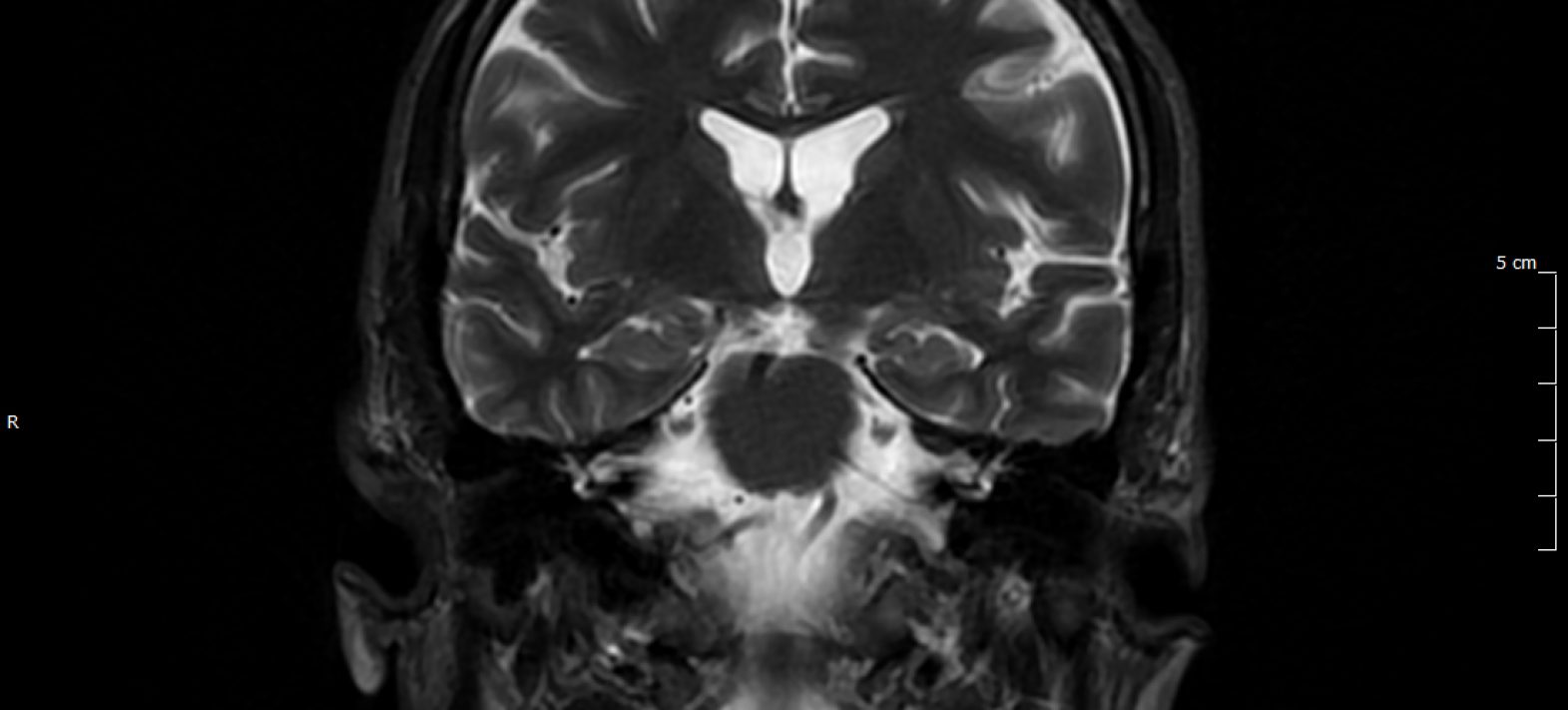
Frédéric Moynier, professor at the Université Paris Cité and cosmochemist at the IPGP, has obtained an ERC proof-of-concept funding to develop and apply isotopic methods and tools, traditionally used for the study of planet formation, to improve the diagnosis of Alzheimer's disease in humans.
Publication date: 04/05/2023
Press, Research
Related teams :
Cosmochemistry, Astrophysics and Experimental Geophysics (CAGE)
The DAI (Diagnose Alzheimer’s disease with isotopes) project builds on the technological developments of the previous ERC Pristine, on isotopic measurements of metals (Zn, Cu…) in extraterrestrial samples for the understanding of planet formation. By using the technological advances obtained to carry out ultra-precise measurements on meteorite samples or samples brought back by space missions, this new project proposes to monitor stable isotopic changes within organisms, thus opening up a new way of studying metal homeostasis as well as new means of detecting and diagnosing diseases, in particular Alzheimer’s disease (see a first study published in 2020).
Within the framework of this ERC, which is based on collaborations within Université Paris Cité (IPGP, Faculty of Health), with INSERM laboratories at the Bichat Hospital in Lariboisière, the team will continue to explore the use of these unique technical advances to demonstrate the feasibility of using stable metal isotope geochemistry to detect the early stages of Alzheimer’s disease. The goal of this proof-of-concept, which would represent a unique way of applying isotope cosmochemistry methods to the medical field, will be achieved by combining isotope chemistry expertise with medical science laboratories at Université Paris Cité.