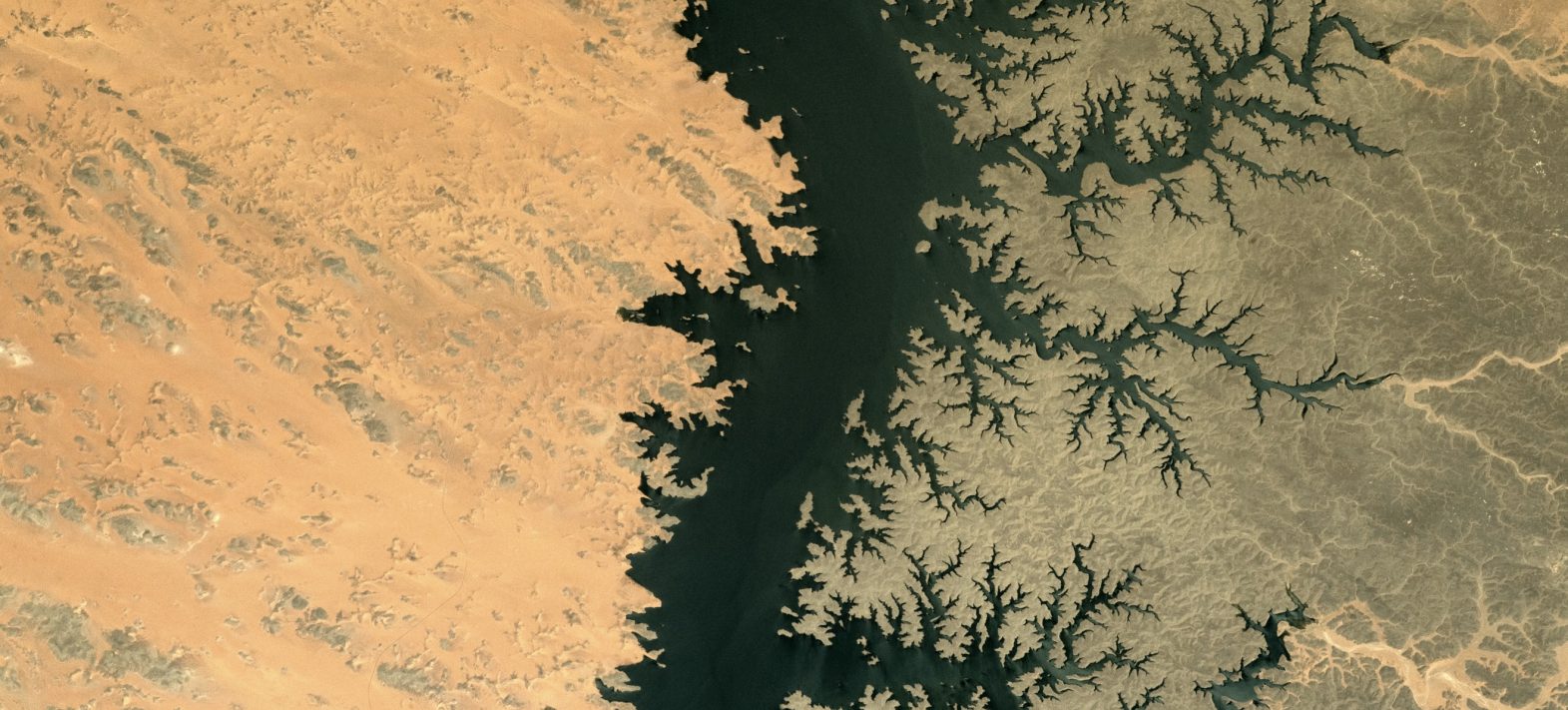
A recently published article in Nature Sustainability posits that increased visibility for rigorous African water research can enhance evidence-based diplomacy and facilitate the resolution of ongoing transboundary water conflicts, in contrast to the prevalent reliance of African governments on consultancy firms that frequently falter in navigating the intricate long-term hydroclimatic intricacies of river basins amidst a rapidly evolving climate. This reliance has compromised negotiations concerning transboundary resources and raised geopolitical tensions to alarming levels.
The paper, “African water research beyond the narratives of conflict and scarcity,” examines how scientific publishing influences the evidence available to governments, negotiators, and international organizations responsible for managing shared water resources. The authors conclude that when locally grounded, reproducible research is underrepresented in influential journals, policymakers may increasingly rely on external consulting firms or advocacy organizations rather than transparent, peer-reviewed scientific evidence. This approach frequently prioritizes short-term hydropower gains or warns against water losses while neglecting to quantify the repercussions of long-term hydroclimatic uncertainties on these resources. The author advocates that marginalizing those uncertainties is the primary driver of perceived existential threats among the inhabitants of these populous basins.
Scientific journals can build water peace
“Water wars narratives are not driven by the shortage in water volumes but rather by the uncertainties of ongoing climatic fluctuations,” said Essam Heggy, Associate Professor at the Institut de Physique du Globe de Paris (IPGP) and lead-author of the study. “Ensuring that rigorous African water research is visible in major journals strengthens the scientific foundation for transboundary negotiations, mediations, and long-term actionable regional cooperation.”
Africa is home to 63 transboundary river basins that support more than one billion people. These shared waterways—including the Nile, Congo, Niger, and Zambezi—cover approximately 62% of the continent’s land area and contain nearly 90% of its surface freshwater resources. Yet only 29% of these basins are governed by formal agreements, making scientifically informed cooperation increasingly important as climate change, population growth, and economic development place greater pressure on shared water supplies.
Moving beyond conflict narratives
The research team argues that international media and political discussions frequently frame African water resources through narratives of scarcity and inevitable conflict, while giving comparatively less attention to locally developed scientific solutions and successful examples of regional cooperation.
According to the study, this imbalance extends into scientific publishing, where African-focused research faces greater challenges reaching highly visible journals despite its importance for understanding the global hydroclimate evolution, local hydrology, and regional governance realities in highly populous river basins. The authors suggest that increasing editorial engagement with scientifically rigorous African-focused research would strengthen—not lower—the standards of evidence used to inform international water policy and ongoing negotiations to curb rising conflicts.
The paper also notes that similar dynamics arise in other regions facing complex transboundary water challenges, including parts of the Middle East and Asia, making the recommendations broadly relevant to global water diplomacy.
Science as a foundation for diplomacy
Rather than advocating preferential treatment in academic publishing, the authors propose several reforms designed to improve the scientific record supporting transboundary water governance.
These include encouraging publication of solution-oriented studies that evaluate practical governance options, strengthening support for reproducible research based on in situ observations and openly available datasets, expanding editorial expertise in African water science, and recognizing technical post-publication discussions as an important component of scientific progress.
The researchers argue that these measures would improve both scientific quality and international decision-making by ensuring that robust local evidence is more readily available during negotiations over shared water resources.
A growing global priority
As climate variability intensifies pressure on freshwater systems worldwide, the authors contend that scientific publishing has become an increasingly important part of international conflict prevention.
“Evidence-based diplomacy depends on Science,” Heggy said. “When journals help bring robust, reproducible local science into global conversations, they create stronger conditions for an actionable cooperation framework before disputes become crises.”
The authors conclude that strengthening the visibility of African water science would benefit not only researchers but also governments, international organizations, and communities working toward peaceful, evidence-based management of shared water resources across Africa and the Global South under rapidly changing global climatic conditions.
IPGP Commitment for Geoscience for the Planet
The invited article emerged from discussions among experts participating in a session on innovations in transboundary water resource management organized by the U.S. National Academies of Sciences, Engineering, and Medicine during the American Geophysical Union Fall Meeting, from which this publication originated. The findings were also presented in early July 2026 at the International Conference on African Rivers (ICAR 2026), held in Morocco. For the IPGP, this publication unequivocally demonstrates the indispensable role of geosciences in serving societies as they address escalating water and energy challenges. In the face of escalating uncertainties regarding the future of water resources in Africa, development and charitable initiatives alone will prove inadequate. Sustainable solutions can only be achieved through viable scientific advances, which universities are well-positioned to support.
—
Publication: Heggy, E., You, J., Abotalib, A. Z., Fouad, S. S., & Ramah, M. (2026). African water research beyond the narratives of conflict and scarcity. Nature Sustainability.