Afin d'être accessible au plus grand nombre, nous vous informons que vous avez la possibilité de modifier la taille d’affichage du contenu de notre site.
Pour cela, voici les commandes à reproduire à l'aide de votre clavier :
Zoom in
CTRL +
+
Zoom out
CTRL +
-
Reset to zero
CTRL +
0
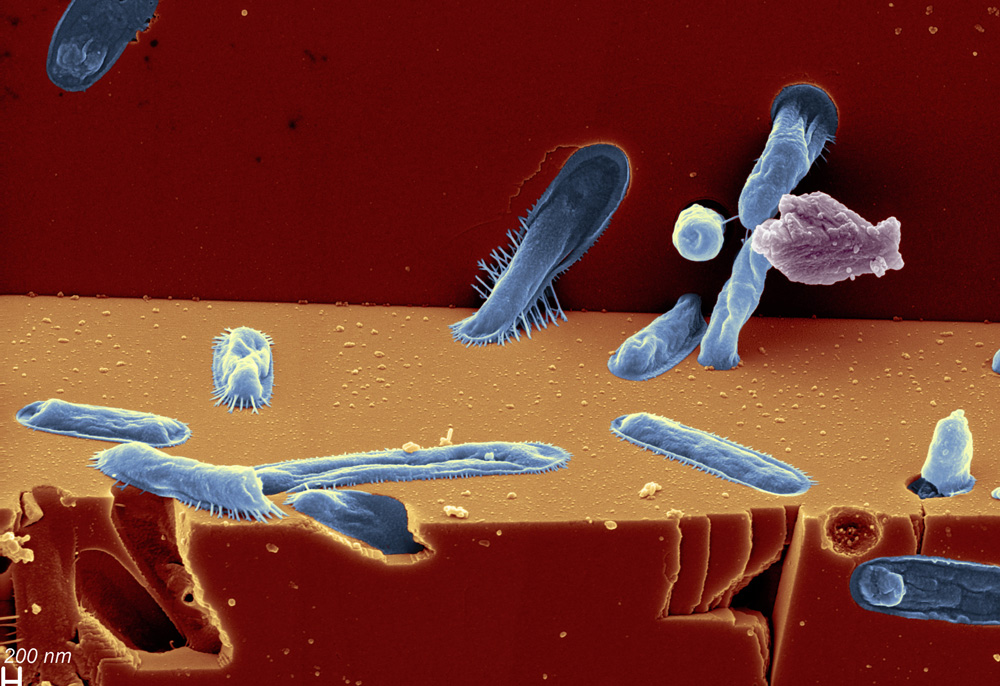
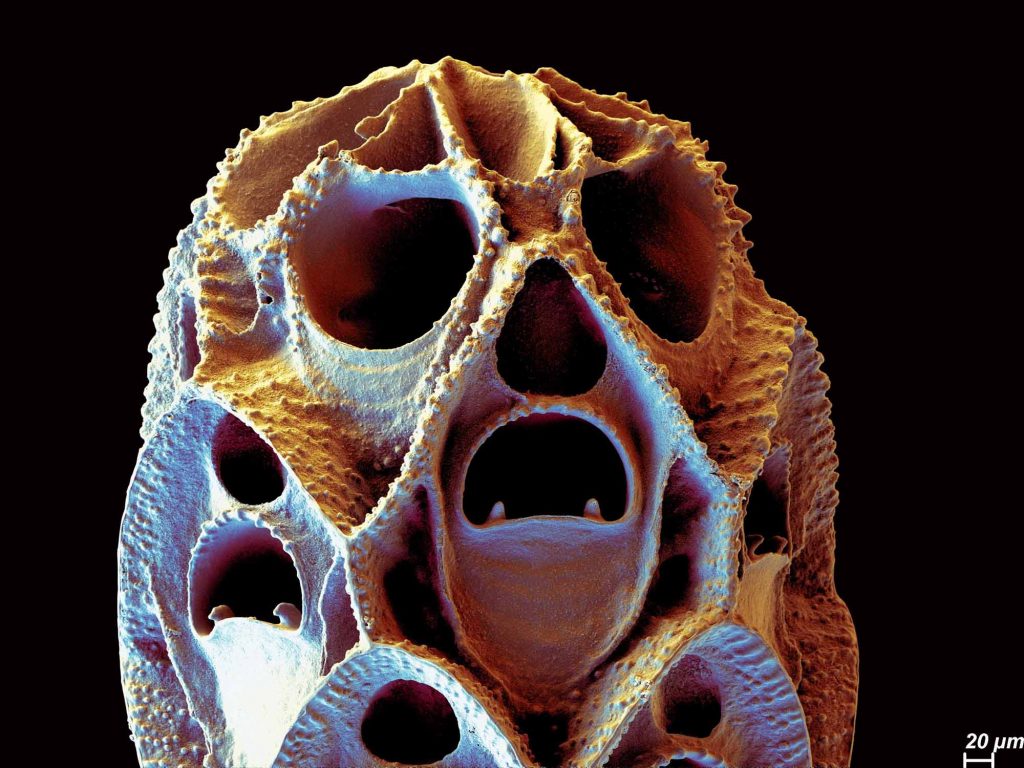
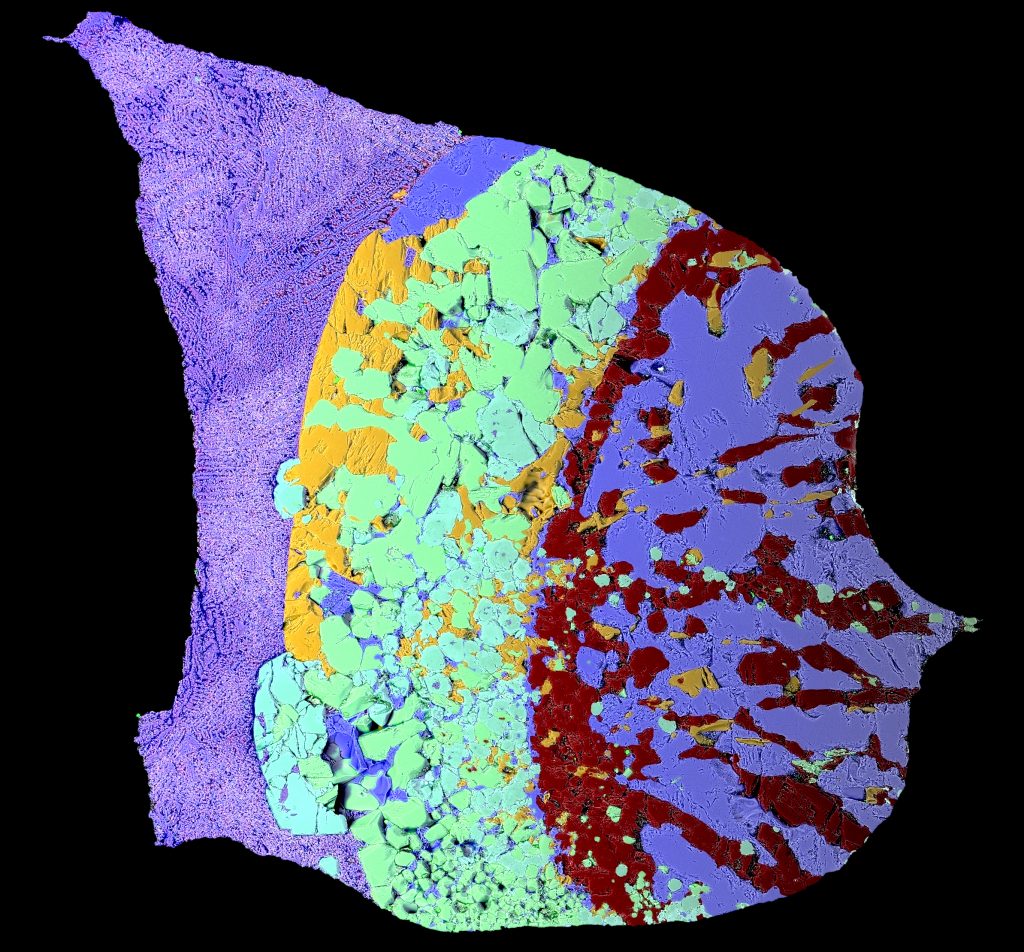
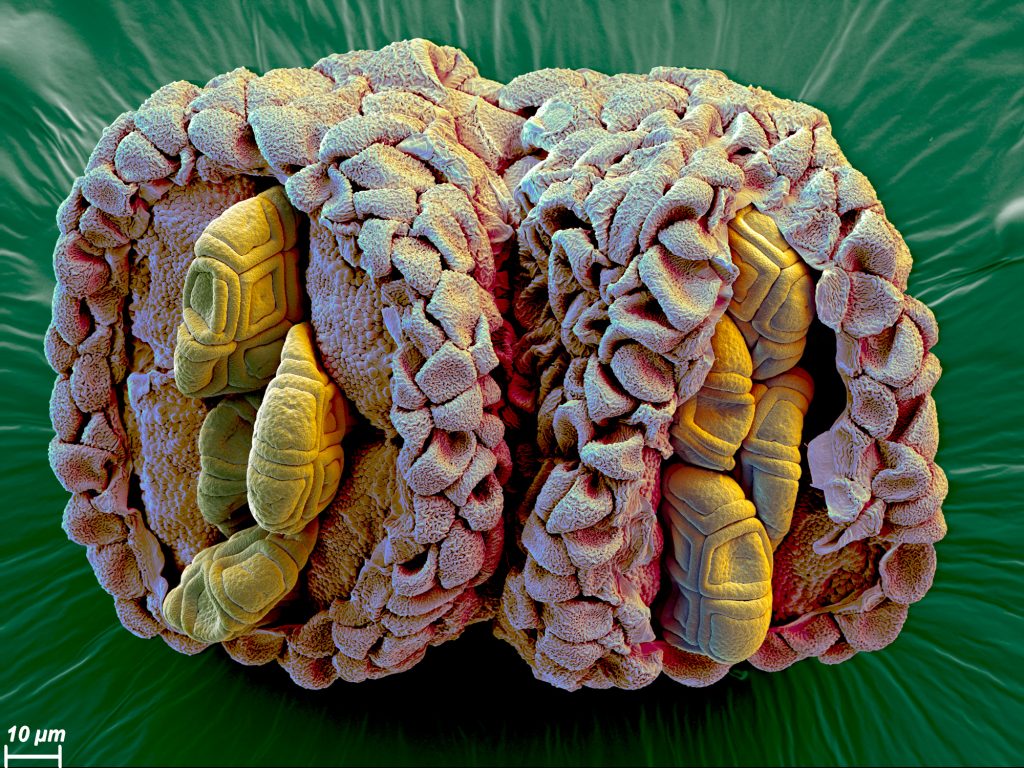
Auriga FEG-FIB
Publication date: 25/04/2025
Research
Equipment configuration:
Technical specs
SEM
FIB
Resolution
1.0 nm @ 15 kV
1.9 nm @ 1 kV
< 2.5 nm @ 30 kV
Magnification
12x — 1,000,000x
300x — 500,000x
Beam current
4 pA — 20 nA
1 pA — 20 nA
Voltage
0.1 — 30 kV
1.0 — 30 kV
Emission
Schottky field emission diode
Ga LMIS + Pt GIS
Electron detectors
In-Lens, SESI, ESB, NTS-BSD
X-ray detectors
Bruker Quanta 200 EDX detector
EDAX Octane Elite Super 70 mm2 EDX detector
Pegasus Velocity Pro EBSD detector
Service: The platform is accessible to external users, whether from the academic sector (university, CNRS, EPST, EPIC, grand établishments, etc.), the public sector (ministries, agencies, museums, police, army, etc.) or the private sector (industry, services, etc.). Reception and images/analysis are carried out by the technical manager. In some cases, experienced users can access and work independently on the instruments. In certain cases, the presence of customers is not mandatory. Samples can be sent for imaging and analysis, as long as the protocol is clearly established and simple enough not to require the customer’s presence. We offer a “service” package including interpretation and validation of results. Internal (IPGP) and academic rates are identical (plus management fees for external clients) and set annually by the IPGP Board of Directors. Other rates are negotiated on a case-by-case basis with the administrative manager. Sessions are booked through the technical manager. Any session scheduled and cancelled at the last minute may be invoiced, for example if it proves impossible to replace it.
Planetary Research: a new open-access journal for planetary sciences
Led by an international community of researchers, with strong involvement from IPGP scientists, the new journal Planetary Research offers an alternati...
What if the next stars of recycling were… bacteria?
A new comic book from IPGP takes us behind the scenes of metal bio-recovery. Featuring bacteria, precious metals and a generous dose of humour, it rev...
Mapping regolith migration on Phobos to support the MMX sample-return mission
Researchers from the Institut de Physique du Globe de Paris (IPGP), in collaboration with the Centro de Astrobiología (Spain) have published a new stu...
Lorraine Delaroque and Ines Ouar, two IPGP PhD students, receive awards at international conferences
Two doctoral students from the Planetology and Space Sciences team were recently recognized for their research at two international conferences.