Citizen / General public
Researcher
Student / Future student
Company
Public partner
Journalist
Teacher / Pupil

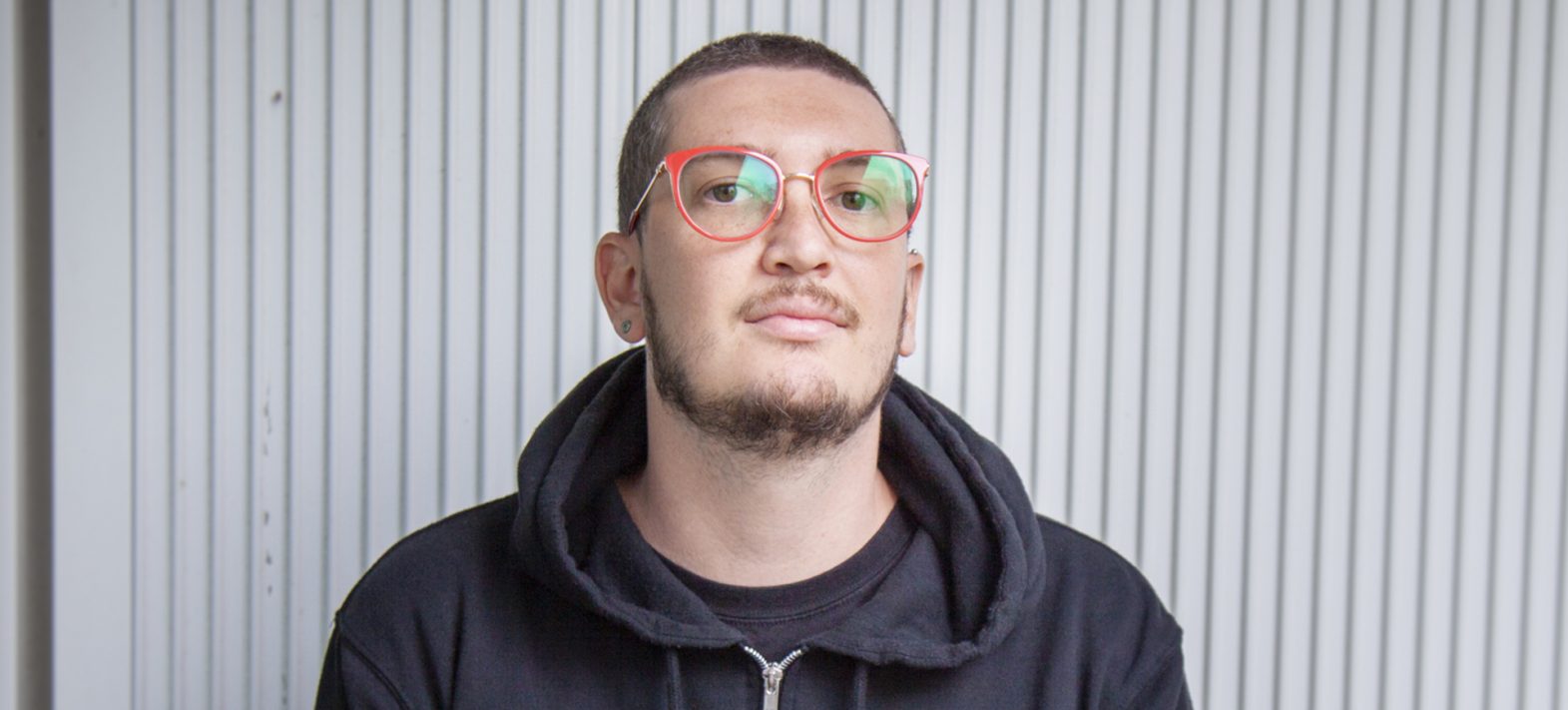
Gustavo Madeira wins the Wagner Sessin Award and the São Paulo State University Grand Thesis 2024

Gustavo Madeira, a postdoctoral fellow in the Cosmochemistry, Astrophysics and Experimental Geophysics team at the IPGP, has been awarded for his work on satellites and other small bodies in the Solar System.
Gustavo Madeira wins the Wagner Sessin Award and the São Paulo State University Grand Thesis 2024

Publication date: 23/09/2024

Awards and Distinctions

During his PhD in Physics at São Paulo State University (UNESP), Gustavo Madeira completed a one-year internship at the IPGP (2021-2022) under the supervision of Sebastien Charnoz. After obtaining his PhD in 2023, he began a two-year postdoctoral research position at the IPGP, in the Cosmochemistry, Astrophysics and Experimental Geophysics (CAGE) team. His research focuses primarily on the formation, evolution, and composition of satellites and other small bodies of the Solar System.

About the Wagner Sessin Award

This biennial prize is awarded to young researchers with a recognized scientific career and potential for team leadership, who have contributed to the development of science in Brazil. Gustavo Madeira received this award due to his active role in consolidating the scientific partnership between Brazil and France (UNESP-IPGP) and his work on the formation and dynamics of Martian satellites and binary asteroids, developed in the context of the MMX/JAXA and Hera/ESA missions, respectively.

About the São Paulo State University Grand Thesis Prize

This prize recognizes the most impactful thesis, in terms of social, economic, and cultural relevance, from those defended throughout the institution in 2023, aligned with the UN’s Sustainable Development Goals (SDGs). Gustavo Madeira’s thesis, “Exploring models of formation and dynamic evolution of satellites and rings of the Solar System,” was awarded this prize due to his study on the origin of water on Jupiter’s satellites and his active involvement in the Hera/ESA planetary defense mission.

Latest news
What can the light from Vesta’s avalanches tell us?
A study conducted at the Institut de Physique du Globe de Paris uses images from NASA’s Dawn mission and a Bayesian inversion of the Hapke photometric...
Cosmochemistry in the service of Alzheimer's disease diagnosis: copper reveals its isotopic secrets
A multidisciplinary study led by researchers at the Institut de Physique du Globe de Paris (IPGP), in collaboration with teams from the Faculty of Hea...
Are the hidden currents of Ganymede’s ocean finally detectable?
A study conducted by researchers from the Institut de physique du globe de Paris (IPGP) and CNRS shows that the convection motions driving the hidden ...
Discovery of CO₂ hydrates off the coast of Mayotte: a unique site for studying carbon storage in the ocean
More than 120 CO₂ hydrate deposits were discovered at the Fer à Cheval site, 10 km east of Petite Terre (Mayotte), during the Geoflamme campaign co-le...