
Citizen / General public
Researcher
Student / Future student
Company
Public partner
Journalist
Teacher / Pupil

SOUFRIÈRE_50 – 50 years of scientific advances on volcanoes for a more resilient future

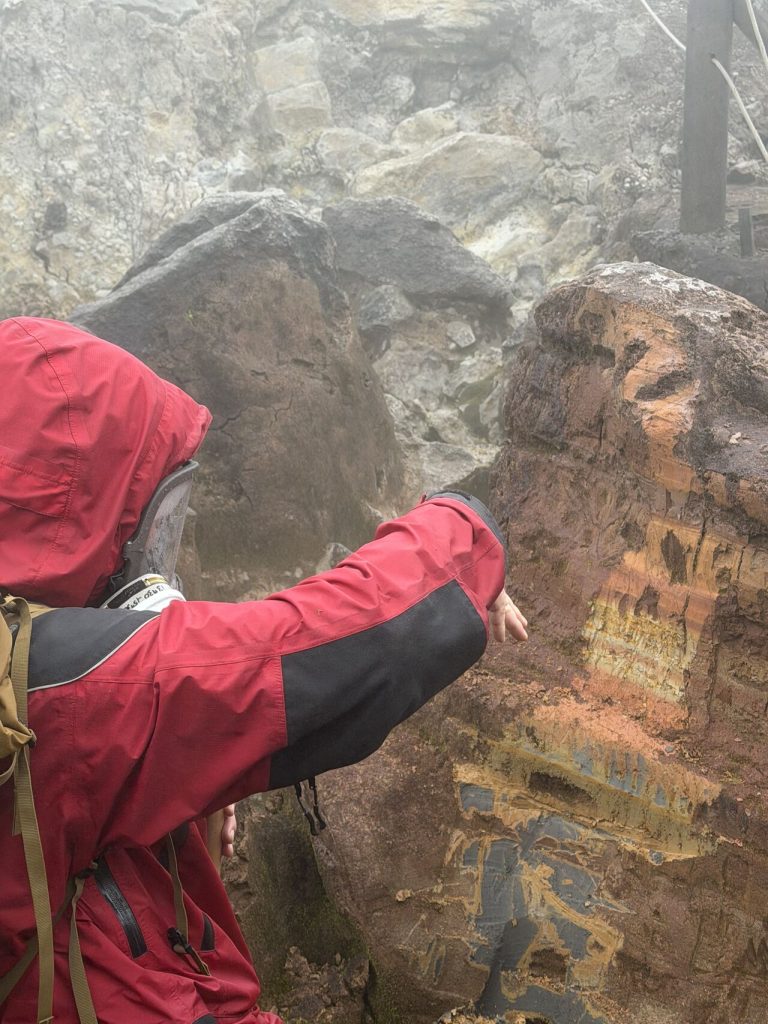
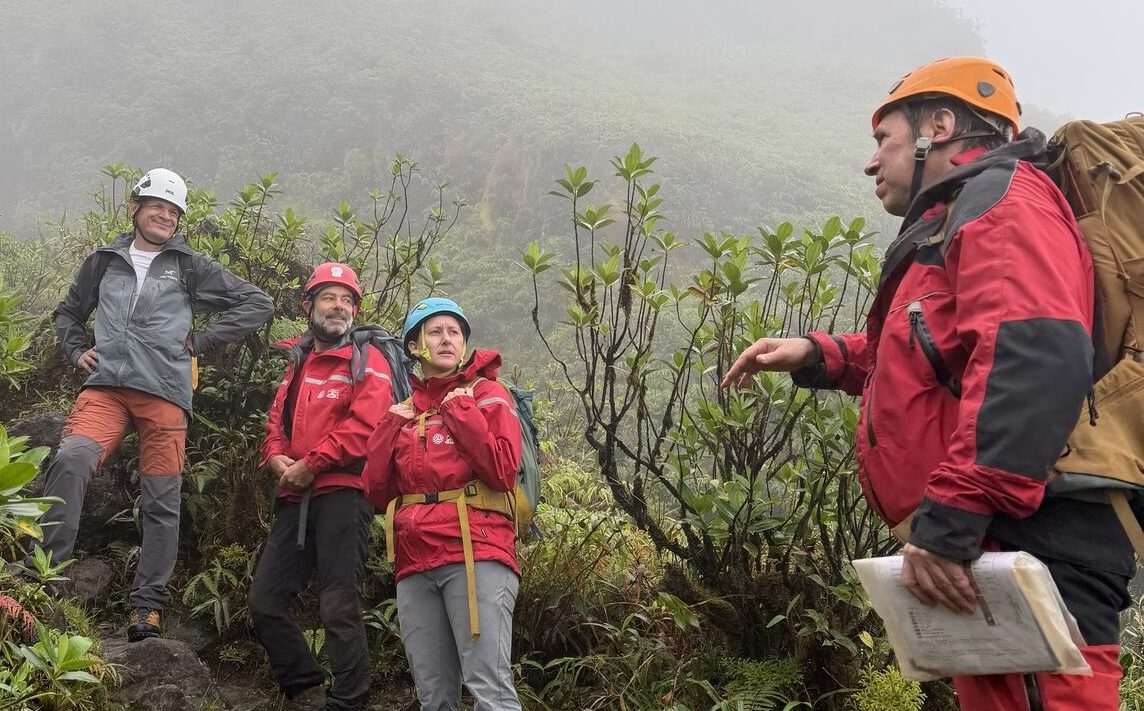
Few days before the opening of the international conference SOUFRIÈRE_50 – 50 years of scientific advances on volcanoes for a more resilient future, teams from the Institut de Physique du Globe de Paris (IPGP) headed to the slopes of La Soufrière for a final field reconnaissance. Following the Geologists' Trail before descending via the Ladies' Path, one fact quickly becomes apparent: every step here crosses a history that spans centuries—sometimes even millennia.
SOUFRIÈRE_50 – 50 years of scientific advances on volcanoes for a more resilient future

From left to right : François Beauducel, Sébastien Deroussi, Carole Berthod et Jean-Christophe Komorowski

Publication date: 04/07/2026

Events, Meetings & Conferences, Research

Related teams :
Volcanic Systems
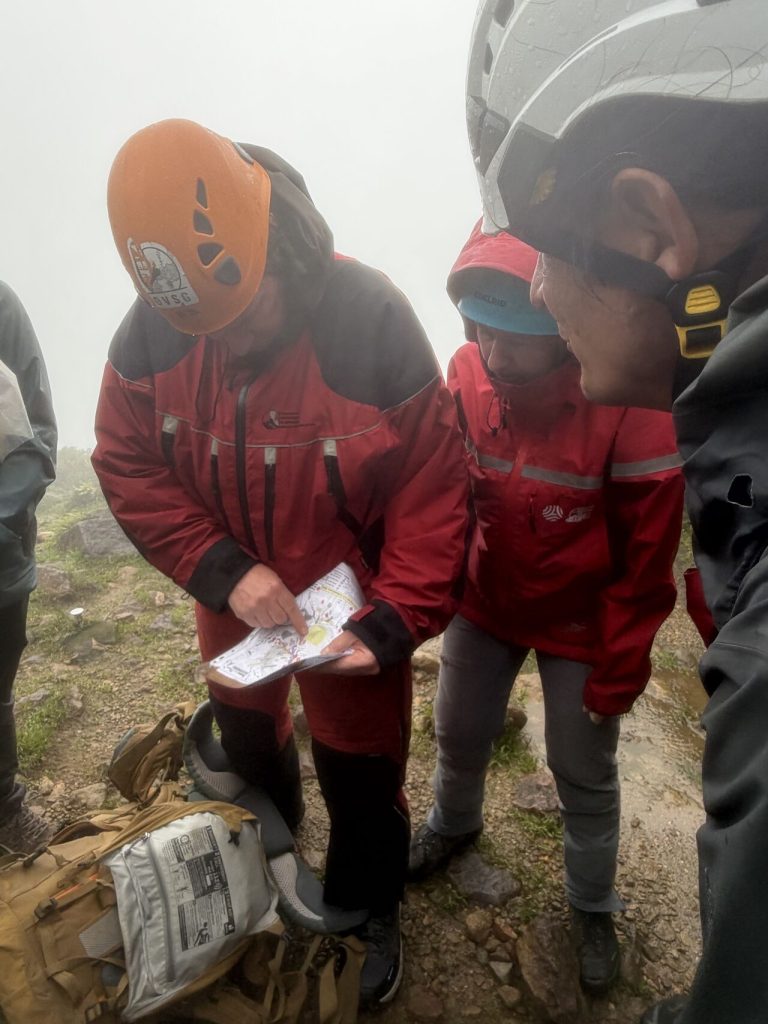
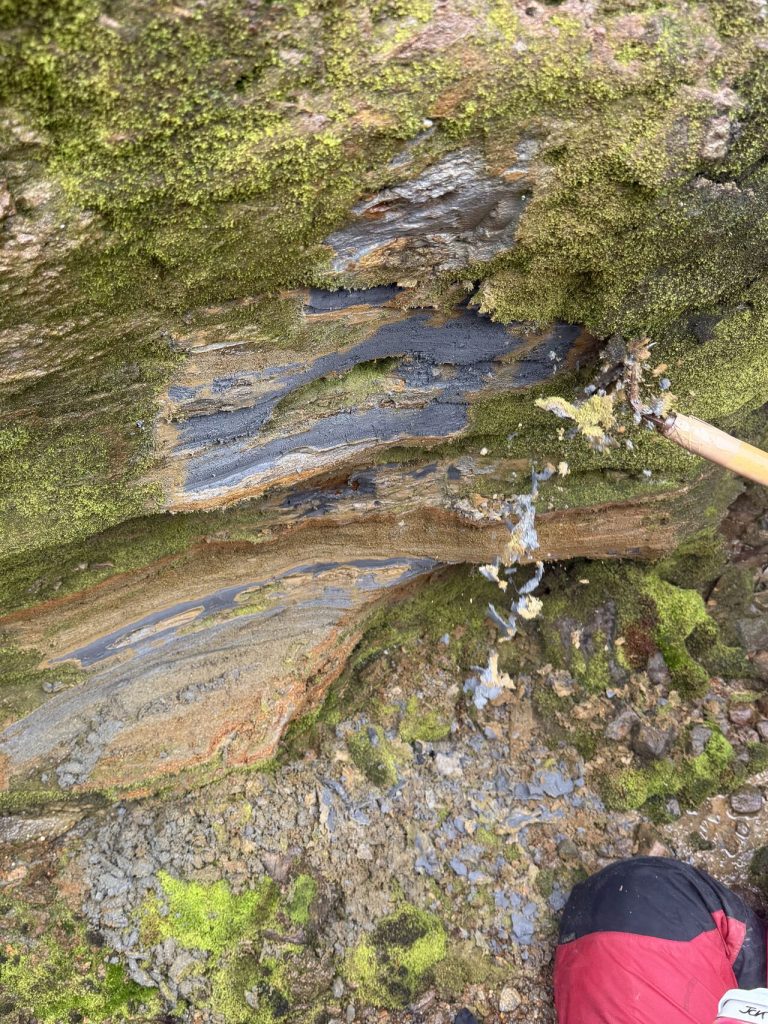
This landscape is the living memory of a volcano whose successive eruptions have shaped the topography of Guadeloupe and, more broadly, that of the Lesser Antilles volcanic arc. Beneath our feet, layers of rock, volcanic deposits, fractures and outcrops tell the story of the Earth itself. The present-day lava dome of La Soufrière is the legacy of its last major magmatic eruption, which occurred around 1530. Since then, several phreatic crises, including the 1976–1977 crisis, have transformed the volcano while leaving a lasting imprint on Guadeloupe’s collective memory.

Walking across La Soufrière is like reading a book written by geological time. Where most visitors see a mountain trail, volcanologists recognize the traces of the events that built the volcanic edifice, layer by layer. Every rock bears witness to a past eruption, and every landform reveals the forces that continue to shape this active volcano today.

Fifty years after the 1976 crisis, La Soufrière remains an exceptional natural laboratory. Advances in geophysics, geology, geochemistry, geodesy, imaging and numerical modelling now provide a much deeper understanding of volcanic systems and significantly improve their monitoring. These scientific advances directly support volcanic risk reduction and strengthen the ability of exposed communities to anticipate future crises.

Yet the history of La Soufrière extends far beyond the Earth sciences. The 1976 crisis profoundly influenced the relationship between scientific expertise, public decision-making, civil protection and local communities. It remains an international reference for understanding how decisions are made under uncertainty and how dialogue between science and society can be built.

These are precisely the issues at the heart of the SOUFRIÈRE_50 international conference, which will bring together researchers, volcano observatories, civil protection authorities, emergency managers, institutions and international partners. Together, they will revisit the lessons of the 1976 crisis, present the major scientific advances achieved over the past fifty years, and discuss the challenges of building a more resilient future in the face of volcanic hazards.

Watch the opening session of the conference live on the IPGP YouTube channel on Monday 6 July at 9:00 a.m. (Guadeloupe time) / 3:00 p.m. (Paris time).


Latest news
Wildfires: nanoparticles reveal combustion conditions
A study conducted by researchers at the Institut de physique du globe de Paris (IPGP) and Université Paris Cité, in collaboration with Memorial Univer...
Radio ‘whistlers’ originating from lightning strikes reveal unprecedented behaviour above the magnetic equator
A team from the Institut de Physique du Globe de Paris (IPGP – Université Paris Cité / CNRS) has, for the first time, documented and explained the unu...
What can the light from Vesta’s avalanches tell us?
A study conducted at the Institut de Physique du Globe de Paris uses images from NASA’s Dawn mission and a Bayesian inversion of the Hapke photometric...
Cosmochemistry in the service of Alzheimer's disease diagnosis: copper reveals its isotopic secrets
A multidisciplinary study led by researchers at the Institut de Physique du Globe de Paris (IPGP), in collaboration with teams from the Faculty of Hea...